
Reading is one of the most critical skills for early childhood development. At the core of this development is phonics, a method that helps young children understand the relationship between sounds and letters. In daycare settings across Georgia, phonics consultants play a pivotal role in shaping children’s early literacy skills. Through strategic daycare staff literacy training, engaging phonics activities using household items, and informative literacy workshops for preschool teachers, these experts help lay the foundation for lifelong learning.
But how exactly do phonics consultants work within daycare environments, and why are they essential for fostering early reading skills? Let’s dive into the key aspects of their role and the ways they are transforming daycare reading programs.
What Does a Phonics Consultant Do in Daycare Settings?
Phonics consultants specialize in creating and enhancing early reading programs. In daycare centers, their primary goal is to guide daycare staff literacy training and empower educators to integrate phonics teaching effectively. These experts bring their specialized knowledge to ensure that children engage with reading in a fun, impactful, and age-appropriate way.
1. Training Daycare Staff
One of the essential roles of a phonics consultant is providing daycare staff literacy training. They equip daycare providers with the tools and strategies needed to teach phonics and literacy effectively. Often, daycare staff may not have specialized training in early literacy development, so a consultant helps bridge this gap.
2. Creating Literacy Programs and Activities
Phonics consultants develop comprehensive literacy programs that include a wide range of activities. These programs focus on key areas like letter-sound recognition, blending sounds, and segmenting words. The consultants not only train staff but also design activities that keep children engaged in learning while fostering a love for reading.
3. Hands-on Phonics Activities Using Household Items
In Georgia, phonics consultants often emphasize using household items for phonics activities. This allows children to learn in a natural, familiar environment. Simple household objects like cereal boxes, blocks, or kitchen utensils can be used to reinforce phonics concepts. For example, you can use a set of spoons to practice initial sounds. These creative, everyday tools make learning both accessible and enjoyable for young children.
4. Implementing Literacy Workshops for Preschool Teachers
Literacy workshops for preschool teachers are another vital aspect of a phonics consultant’s role. These workshops focus on providing teachers with the most up-to-date research and techniques for teaching phonics and literacy. Topics might include the importance of phonemic awareness, strategies for teaching letter-sound correspondence, and effective ways to foster a positive attitude toward reading. Such workshops are invaluable for maintaining high teaching standards and ensuring educators have the skills to help every child succeed.
The Impact of Phonics Consultants in Daycare Centers
1. Building Strong Foundations for Early Learners
Research shows that early literacy skills are a significant predictor of a child’s academic success later in life. By working with daycare staff literacy training, phonics consultants ensure that children develop strong reading skills from the very beginning. This foundation sets the stage for success as they transition into more formal schooling.
2. Promoting a Love of Reading
When children are taught using engaging, hands-on phonics activities, they begin to associate reading with fun. Using household items for activities such as sorting letter sounds in the kitchen or using playdough to form letters makes learning interactive. This approach not only strengthens literacy but also builds a positive attitude toward reading. Children who enjoy reading early on are more likely to continue their literacy journey with enthusiasm.
3. Bridging the Gap for Diverse Learners
Phonics consultants also provide training that helps daycare providers address the needs of diverse learners. In Georgia, many children come from a variety of linguistic backgrounds, and phonics consultants offer strategies to make learning accessible to all children. They teach daycare staff how to scaffold literacy instruction in ways that ensure no child is left behind.
4. Supporting Parents and Caregivers
Many phonics consultants also engage with parents and caregivers, offering tips on how to continue supporting literacy development at home. This might include simple activities like reading aloud, rhyming games, and using everyday conversations to reinforce letter sounds. Encouraging a collaborative approach between daycare staff and parents strengthens a child’s learning experience.
Why Is Phonics Essential in Daycare Reading Programs?
Phonics provides children with the tools they need to decode and understand words. This is crucial for developing reading fluency, comprehension, and a general love for reading. When taught properly, phonics:
- Develops phonemic awareness (the ability to hear and manipulate sounds in words).
- Teaches letter-sound correspondence (understanding the sounds each letter makes).
- Improves spelling and writing skills, as children learn the relationship between sounds and letters.
Incorporating phonics into daycare programs ensures that children don’t just memorize words they learn how to read and understand them.
Key Phonics Activities for Daycares
Here are some effective phonics activities using household items that daycare staff can incorporate into their literacy programs:
1. Sound Sorting
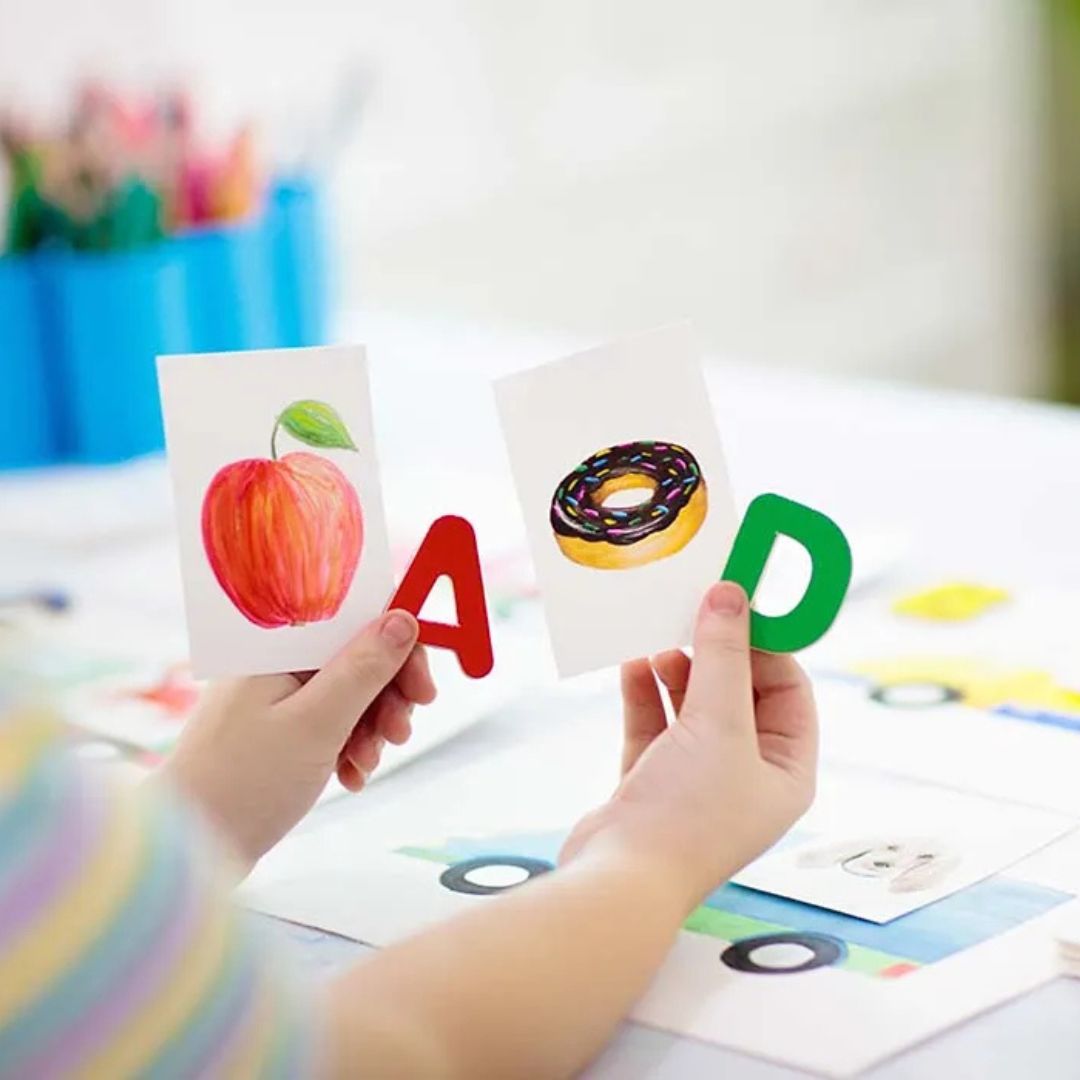
Gather a selection of objects from around the house, and have children sort them by their initial sounds. For example, a “ball,” “bat,” and “book” all start with the “b” sound. This activity helps with letter recognition and phonemic awareness.
2. Letter-Forming with Playdough
Children love to play with playdough, and it’s an excellent tool for reinforcing letter shapes. Show them how to form letters with playdough, making the process interactive and tactile.
3. Sound Scavenger Hunt
Hide objects around the daycare that start with different sounds. For example, hide a “cup,” “cat,” and “coin” to teach the “c” sound. Children love the treasure hunt aspect, and it reinforces phonics learning.
4. Rhyming Games
Use everyday objects or pictures to create rhyming games. For instance, you might show a picture of a “cat” and ask children to identify other rhyming words, like “hat” and “bat.”
Conclusion: Shaping Future Readers, One Sound at a Time
The role of a phonics consultant in Georgia’s daycare centers is crucial for fostering early literacy development. Through targeted daycare staff literacy training, engaging phonics activities using household items, and insightful literacy workshops for preschool teachers, consultants are ensuring that children receive the best possible start in their reading journey. With these foundational skills, children are better equipped to become confident, lifelong readers.
FAQ
1. How can phonics consultants help daycare centers?
Phonics consultants provide expert training for daycare staff, develop literacy programs, and introduce engaging phonics activities that promote early literacy.
2. What are some simple phonics activities using household items?
Phonics activities like sound sorting, letter-forming with playdough, sound scavenger hunts, and rhyming games are great ways to incorporate phonics into daily activities.
3. How do literacy workshops for preschool teachers help?
Literacy workshops equip preschool teachers with the latest phonics research, teaching techniques, and strategies to effectively promote early literacy in children.
4. Why is phonics important in daycare reading programs?
Phonics teaches children how to decode words, which is essential for reading fluency, comprehension, and spelling. It provides a solid foundation for lifelong reading skills.