Early literacy is one of the strongest predictors of long-term academic success. But for many daycare centers, finding the right tools to nurture these skills can be a challenge. That’s where reading workshops for daycare providers play a transformative role. These workshops give daycare teachers the strategies, confidence, and resources they need to spark a lifelong love of reading in young children.
In states like Georgia where high-quality early learning initiatives are on the rise daycare staff literacy training is increasingly recognized as a critical investment. When daycare teachers feel trained and empowered, children benefit from stronger language development, better comprehension, and improved classroom engagement.
In this blog, we’ll explore how reading workshops elevate daycare teaching, why they matter, and the impact they can have on early childhood learning environments.
Why Early Literacy Matters in Daycare Settings
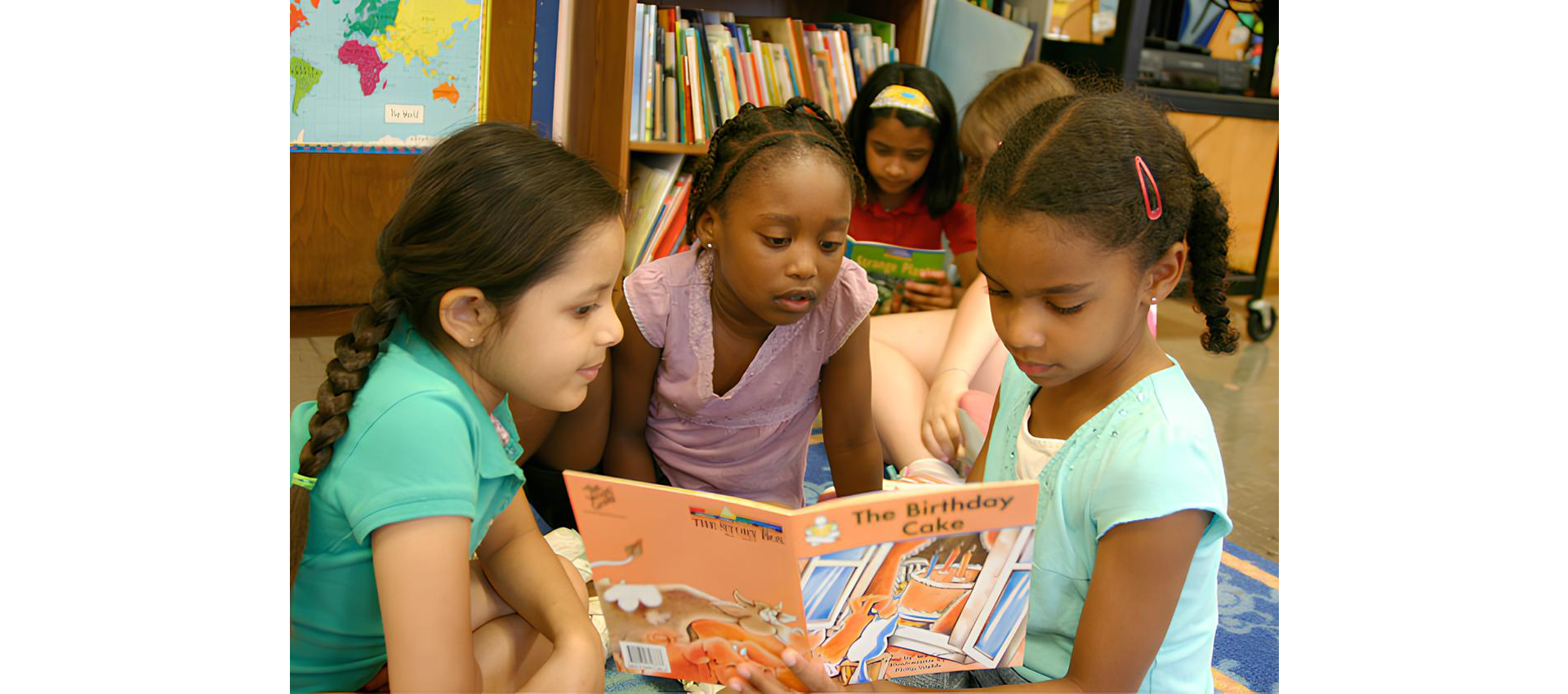
Children in daycare spend a large portion of their day interacting with caregivers. These moments of storytime, conversations, labeling objects, and singing songs create countless opportunities for early learning. Research shows that children who are exposed to intentional literacy activities in their early years demonstrate:
- Higher vocabulary acquisition
- Stronger phonological awareness
- Better comprehension skills
- Improved school readiness
This means that daycare teachers play a major role in shaping how children read, understand, and use language. However, many daycare teachers report feeling underprepared when it comes to structured literacy instruction. Reading workshops close that gap.
How Reading Workshops Support Daycare Providers
Reading workshops are more than training sessions; they’re hands-on learning experiences designed to strengthen teaching practices. Here’s how they help:
1. They Build Confidence in Classroom Literacy Instruction
Many daycare teachers know reading is important but aren’t sure how to apply literacy methods effectively. Workshops break down key skills such as:
- How to read aloud with expression
- How to choose age-appropriate books
- How to encourage children to interact with stories
- How to turn everyday activities into literacy lessons
When teachers feel confident, they naturally create more dynamic and engaging reading experiences.
2. They Teach Practical, Play-Based Techniques
Young children learn best through play. Reading workshops show providers how to integrate literacy into:
- Dramatic play
- Sensory stations
- Music and movement
- Outdoor activities
- Art projects
For example, instead of simply reading a story, teachers learn to pair it with hands-on extensions like reenacting characters or exploring vocabulary through themed play. This approach makes literacy meaningful and memorable.
3. They Strengthen Communication Skills
Reading workshops emphasize oral language development a foundational literacy skill. Teachers learn strategies for:
- Asking open-ended questions
- Encouraging conversation
- Expanding children’s sentences
- Narrating routines
- Using rich vocabulary throughout the day
These small interactions create big gains in language comprehension and expression.
4. They Improve Classroom Management Through Structured Reading Routines
Many daycare centers struggle with maintaining attention during storytime. Workshops help teachers:
- Establish consistent reading rituals
- Use visual cues and props
- Keep children engaged through movement
- Manage transitions smoothly
Better management means more effective learning and a calmer classroom atmosphere.
5. They Introduce Teachers to Culturally Responsive Literacy Practices
Every child brings their own experiences, culture, and language to the classroom. Reading workshops show teachers how to:
- Select diverse books
- Celebrate multilingual learners
- Incorporate children’s backgrounds into lessons
- Support families with at-home reading resources
This fosters inclusion and builds a stronger connection between home and school.
Why Daycare Reading Workshops Matter in Georgia
There is growing demand for daycare reading support in Georgia, especially as early learning standards continue to evolve. Many Georgia-based childcare programs are now required or strongly encouraged to participate in ongoing professional development.
Reading workshops align with these goals by:
- Supporting state literacy initiatives
- Improving program quality ratings
- Helping centers meet training requirements
- Ensuring teachers remain up to date with best practices
For daycare centers aiming to provide exceptional care and education, literacy-focused professional development is no longer optional; it’s essential.
The Long-Term Impact on Children
When daycare teachers participate in reading workshops, the benefits extend directly to children. Here’s what improved literacy instruction can lead to:
Stronger Vocabulary Development
Regular exposure to new words helps children communicate more effectively.
Improved Listening Skills
Interactive read-alouds train children to focus, respond, and follow stories.
Better Social-Emotional Understanding
Books teach empathy, emotional expression, and problem-solving.
Enhanced Pre-Reading Skills
Children begin recognizing letters, sounds, and patterns early on.
Greater Enthusiasm for Learning
Positive literacy experiences instill curiosity and confidence.
These early gains set the foundation for future reading success through elementary school and beyond.
How to Incorporate Workshop Learning Into Daily Routines
Once daycare providers complete a reading workshop, the next step is applying the strategies consistently. Here’s how teachers can bring new literacy skills to life:
- Add daily read-aloud sessions
- Create themed literacy corners
- Introduce letter and sound games
- Encourage children to “read” pictures
- Use puppets or props during storytelling
- Incorporate writing materials into play areas
- Share literacy updates with families
Even small changes can significantly increase a child’s exposure to language and print.
Encouraging Lifelong Learning for Daycare Teachers
Professional development shouldn’t be a one-time event. Reading workshops inspire teachers to keep learning, exploring, and improving their skills. When daycare centers invest in their staff, teachers feel valued and motivated which leads to better outcomes for children and the entire childcare program.
Call to Action: Elevate Your Program Through Education
Supporting literacy begins with empowering the educators who guide children every day. Investing in daycare staff literacy training not only strengthens classroom quality but also shapes brighter futures for young learners. When daycare providers gain the tools and knowledge they need, early literacy thrives.
If you’re ready to enhance your daycare’s literacy program and support your teachers through meaningful education, now is the perfect time to get started.
Frequently Asked Questions (FAQ)
1. What are reading workshops for daycare providers?
They are professional training sessions that teach daycare teachers effective strategies for supporting early literacy through storytelling, play, and daily interactions.
2. Who should attend these workshops?
Daycare teachers, assistant caregivers, early childhood educators, and childcare administrators who want to improve literacy instruction.
3. How do workshops benefit children?
Children gain stronger vocabulary, improved listening skills, better comprehension, and increased enthusiasm for reading.
4. Are reading workshops required in Georgia?
While requirements vary by program, many centers participate to meet continuing education standards and enhance early learning quality.
5. Can daycare teachers apply workshop skills immediately?
Yes. Workshops provide practical, easy-to-use strategies that can be implemented in the classroom right away.
6. Do reading workshops help multilingual learners?
Absolutely. Workshops teach culturally responsive and inclusive reading strategies that support language diversity.