
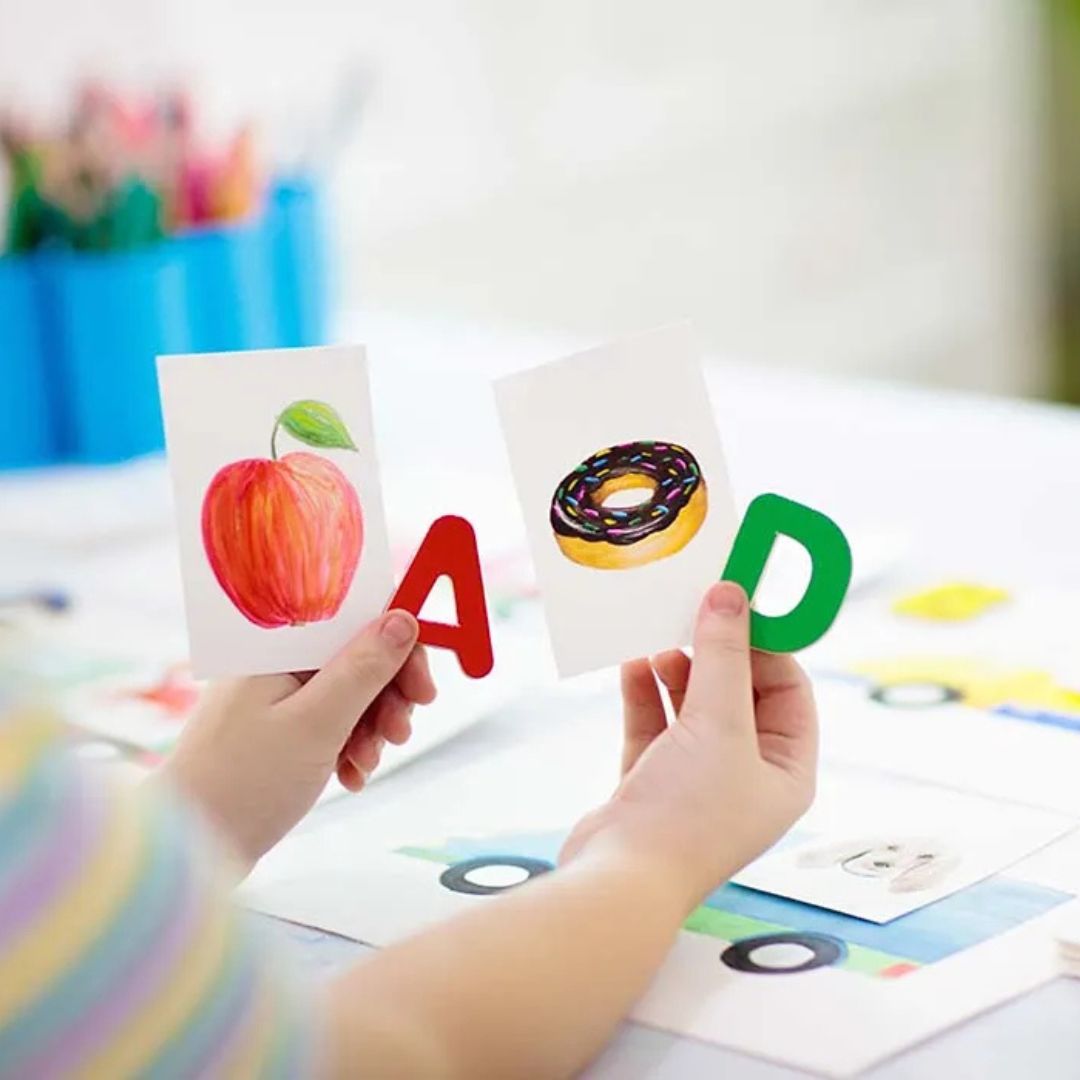
Teaching young children to read and write is one of the most rewarding aspects of early childhood education. The process of learning phonics, the sounds that letters and combinations of letters make, lays the foundation for all future reading skills. As a preschool teacher or daycare provider, you might find it challenging to create engaging and interactive literacy activities on a budget, but the good news is that you don’t need to spend a lot of money on fancy materials. You can use simple household items to create fun and effective phonics activities that will help your little learners grow in their literacy journey.
Whether you’re running literacy workshops for preschool teachers, planning reading workshops in Georgia, or offering daycare reading support, these simple activities can be adapted to any setting and will excite children about learning to read.
Phonics Activities You Can Create Using Household Items
1. Alphabet Soup with Plastic Letters
One of the easiest and most fun ways to engage young learners is by playing an “alphabet soup” game. Take a large bowl and fill it with plastic alphabet letters or letter magnets that you already have at home. Ask your students to identify specific letters or arrange them into simple words.
How to Play:
- Give each child a “soup spoon” (a plastic spoon or a toy) and encourage them to dig through the “soup” to find a letter you call out.
- Once they find the letter, ask them to say its sound out loud and place it into a line to form a word.
This activity helps reinforce letter recognition and the sounds each letter makes.
2. Sound Sorting with Household Items
Sound sorting is an excellent phonics activity for developing auditory discrimination and recognizing the sounds of letters. For this, you don’t need anything fancy, just everyday household items that represent different sounds.
How to Play:
- Gather a selection of items that begin with different letters and sounds.
- Place them in piles or categories, each representing a different sound.
- Ask the children to pick an item, say the sound, and place it in the correct pile. You can make it more challenging by using words with similar starting sounds or varying the complexity of the items.
3. Phonics Puzzles with Cardboard
Transform leftover cardboard or old cereal boxes into phonics puzzles that help children practice letter recognition and blend sounds.
How to Play:
- Cut the cardboard into puzzle pieces, and on each piece, write a letter or a simple word.
- Encourage children to piece together the letters to form words.
- For a more advanced version, use the puzzle to create simple CVC (consonant-vowel-consonant) words and ask students to sound them out.
This activity strengthens both fine motor skills and phonemic awareness.
4. Rhyming Fun with Household Objects
Rhyming is a crucial phonics skill that helps children recognize patterns in words and sounds. Using household items, you can create fun rhyming activities that encourage children to think about the sounds that words share.
How to Play:
- Gather objects that rhyme (e.g., a hat and a bat, a cup and a pup).
- Lay them out in front of the children and ask them to identify the items that rhyme.
- You can also give them a word and ask them to find other items in the house that rhyme with it.
This game develops phonemic awareness and teaches the concept of rhyming, which is essential for early reading skills.
5. Make Your Own “Phonics” Dice
You can create a fun and interactive dice game that focuses on phonics sounds with items you already have at home.
How to Play:
- Take an empty box or a large dice template, and on each side, write a letter, a combination of letters, or a simple word.
- Ask the child to roll the dice and either say the sound that corresponds with the letter or make a word with the letters on the dice.
- To make the game more interactive, you can also encourage the children to act out the words or associate them with actions.
This is a great way to teach letter sounds and blends in a hands-on, entertaining way.
Benefits of Using Household Items for Phonics Activities
Cost-Effective
One of the main benefits of using household items for phonics activities is that they are inexpensive and easily accessible. You don’t need to purchase expensive materials to help children improve their literacy skills.
Hands-On Learning
Using real-world objects gives children the opportunity to engage in tactile, hands-on learning. This type of learning is especially effective for young children, who often learn best through touch, exploration, and play.
Adaptable to Different Learning Styles
Every child learns differently, and phonics activities with household items can be easily adapted to cater to various learning styles, whether visual, auditory, or kinesthetic.
Promotes Creativity
Children will enjoy creating their own activities using simple materials they already have at home. This promotes creativity and allows them to take ownership of their learning experience.
Tips for Organizing Literacy Workshops for Preschool Teachers
If you’re leading literacy workshops for preschool teachers or conducting reading workshops in Georgia, here are some tips to keep in mind:
- Interactive Learning: Encourage teachers to use play-based learning techniques to engage students. Hands-on activities make phonics more fun and memorable.
- Keep It Simple: Focus on foundational phonics skills like letter recognition and sound blending. Don’t overwhelm students with too much information at once.
- Incorporate Movement: Preschoolers learn best when they can move! Try incorporating activities that allow children to jump, dance, or act out words and sounds.
- Use Real-Life Examples: Show teachers how they can incorporate phonics into everyday situations. Whether it’s labeling items in the classroom or singing songs with rhyming words, real-world examples help reinforce learning.
FAQ: Phonics Activities for Preschool Teachers
1. How can I make phonics activities more engaging for preschoolers?
You can make phonics activities engaging by using colorful materials, incorporating songs, and integrating movement. Activities like letter scavenger hunts and singing phonics songs are great options.
2. How can I teach phonics to children who struggle with reading?
For children who find phonics challenging, it’s important to break down lessons into smaller, manageable steps. Use repetition, visual aids, and multi-sensory activities to reinforce learning.
3. What are some effective phonics strategies for daycare reading support?
For daycare reading support, focus on interactive activities like sound sorting, rhyming games, and letter tracing. Creating a print-rich environment also helps reinforce phonics skills.
4. Are there any online resources for phonics activities?
Yes! Many websites offer free printable phonics games and activities that teachers can easily incorporate into their lessons. Look for resources that focus on auditory discrimination and letter-sound recognition.
Final Thoughts: Phonics Can Be Fun and Simple!
Phonics doesn’t have to be complicated, and it doesn’t have to be expensive. With just a few simple household items, you can create engaging, hands-on activities that will help preschoolers develop their reading skills. These activities will not only make phonics learning fun but will also prepare your little learners for a lifetime of reading success.
As a teacher or daycare provider, these simple phonics activities will be a great addition to your literacy workshops for preschool teachers and daycare reading support in Georgia. Remember, learning can be both smart and fun!
Call to Action
Explore more engaging and effective literacy workshops today! Enhance your daycare or preschool program with creative, hands-on phonics activities.