
The Akanbi Phonics Program
Developed by Linda B. Akanbi, Ed.D.
ARS Educational Services LLC
The Akanbi Phonics Program introduces learners to vowel sounds through recognizable words, memorable examples, and engaging practice activities. The program covers short and long vowel sounds, R-controlled vowels, and diphthongs while helping children connect vowel patterns with the sounds they hear in familiar words.
Vowel Sounds
The program introduces four important areas of vowel instruction:
Short Vowels
a, e, i, o, u
Long Vowels
a, e, i, o, u
R-Controlled Vowels
er, ir, ur, ar, or, and related vowel patterns
Diphthongs
oi, oy, au, aw, ou, and ow
The Short Vowel Family
The program uses a memorable “Short Vowel Family” to introduce the five short vowel sounds:
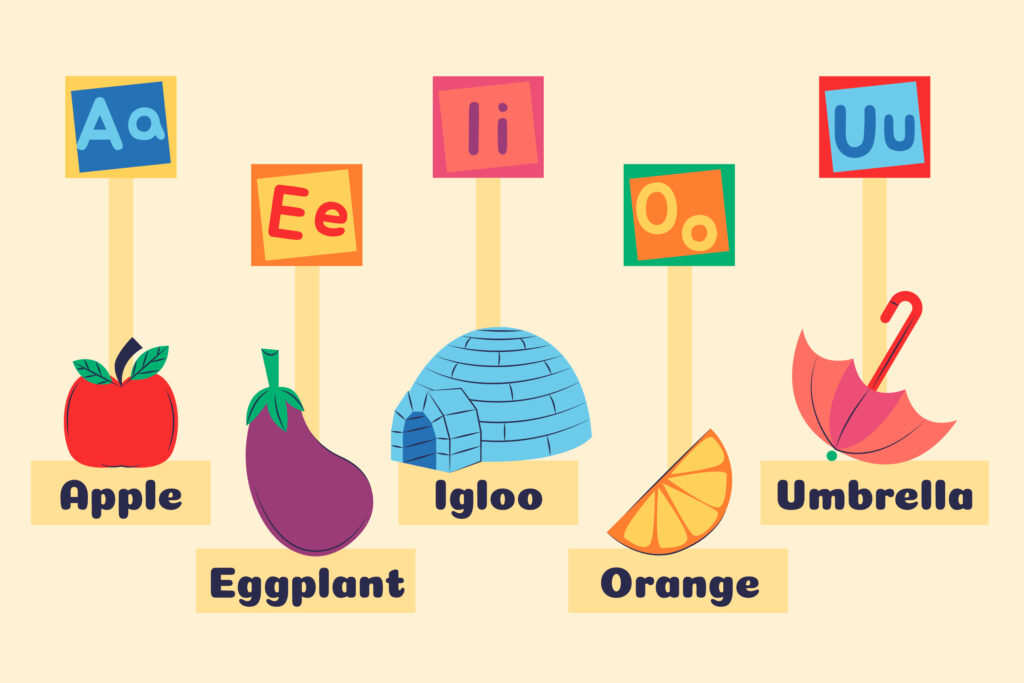
Azzy | Short a as in apple
Ezzy | Short e as in egg
Izzy | Short i as in fish
Ozzy | Short o as in octopus
Uzzy | Short u as in umbrella
Learners practice recognizing these sounds through individual words and sentences that demonstrate how each vowel sounds in context.
The Long Vowel Family
Long vowel sounds are introduced through another group of memorable names:
Aaron | Long a as in acorns
Eva | Long e as in eagle
Isaac | Long i as in ice cream
Otis | Long o as in orangutan
Uri | Long u as in unicorn
Words and sentences are then used to reinforce each sound and help learners recognize different spelling patterns associated with long vowels.
R-Controlled Vowels
The program also introduces vowel sounds that change when followed by the letter r. Examples include:
er as in slippers
ir as in bird
ur as in nurse
ar as in car
or as in corn
Additional patterns such as ar-e, ai-r, oa-r, and or-e provide learners with further examples of how vowel sounds appear in different words.
Diphthongs
Learners are introduced to common diphthong patterns through familiar example words:
oi as in coin
oy as in boy
au as in taught
aw as in raw
ou as in mouse
ow as in town
Activities such as identifying common sounds and creating rhymes provide opportunities to practice recognizing these vowel combinations.
Learning Through Words and Sounds
Throughout the program, familiar objects, words, sentences, characters, and visual examples help learners connect written vowel patterns with their corresponding sounds. These activities provide opportunities to recognize sounds, practice pronunciation, and apply phonics skills to words in meaningful contexts.
Click below to explore additional phonics and reading resources:
Akanbi Phonics Program2