
Emergent Literacy: How Children Learn to Read and Write
Prepared by Dr. Linda Akanbi, Reading Specialist
Emergent literacy describes the early development of reading and writing skills before children become conventional readers and writers. These abilities grow together through everyday experiences at home, school, and within the community.
Building Early Literacy Knowledge
Children gradually develop an understanding of how print works, how books and written language communicate meaning, and how letters connect with sounds. They also begin developing phonological awareness and recognizing the structures found in written text.
Early Literacy Behaviors
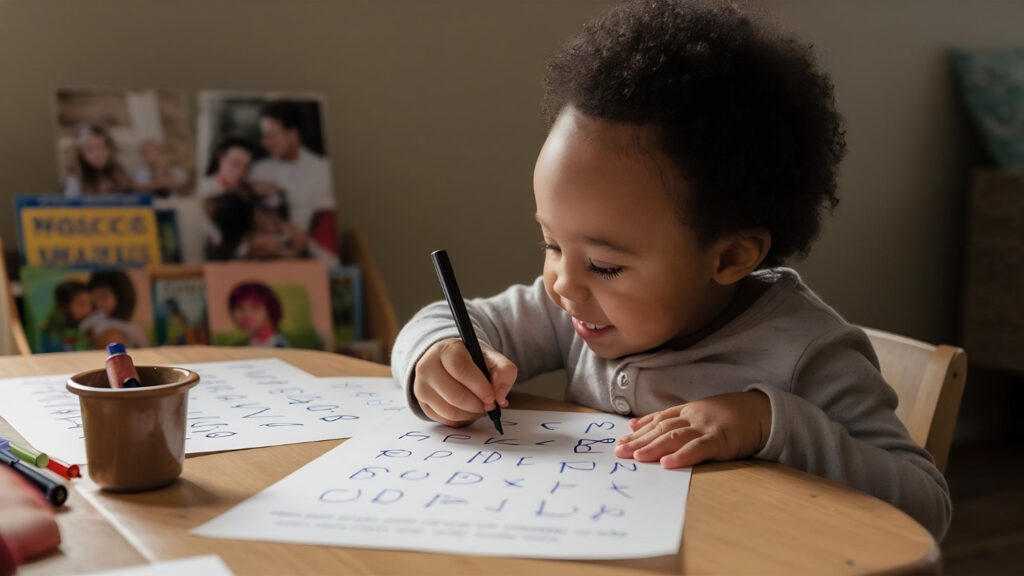
Young children may demonstrate emerging literacy by noticing environmental print, showing interest in books, pretending to read, experimenting with writing, and creating letters, letter-like forms, or scribbles on a page.
Learning Through Interaction
Children play an active role in their own literacy development. They build ideas about language by observing, experimenting, interacting with adults and peers, and participating in meaningful reading and writing experiences.
Family, community, culture, and home language can also serve as valuable resources that support a child’s literacy development.
Understanding Print
Early literacy includes learning that print carries meaning and is used for different purposes. Children also learn how to handle books, turn pages, follow print from left to right and top to bottom, recognize punctuation, and distinguish between letters, words, and sentences.
Learning Letters and Sounds
Children develop knowledge of letter names, uppercase and lowercase forms, letter shapes, and the sounds represented by letters. Activities such as songs, games, environmental print, children’s names, and alphabet materials can help support this learning.
How Children Learn to Read Words
Children may progress through several developmental phases as they learn to identify words:
Logographic Phase
Children may recognize words through logos, shapes, or other visual features.
Alphabetic Phase
Children begin using letter-sound relationships to decode and pronounce words.
Orthographic Phase
Children use familiar spelling patterns and word families to identify unfamiliar words.
Developing Writing Skills
Writing develops gradually as children move from pictures and scribbles to letter-like forms, copied letters, invented spellings, labels, sentences, and eventually complete stories.
Children’s early writing may include drawings, scribbles, strings of letters, copying, and attempts to represent sounds with letters.
Supporting Literacy Development
Reading and writing should be viewed as developmental skills that grow through meaningful experiences, interaction, carefully planned instruction, and opportunities to practice.
Click below to explore additional early literacy and reading resources:
How-Children-Learn-to-Read-and-Write.pdf